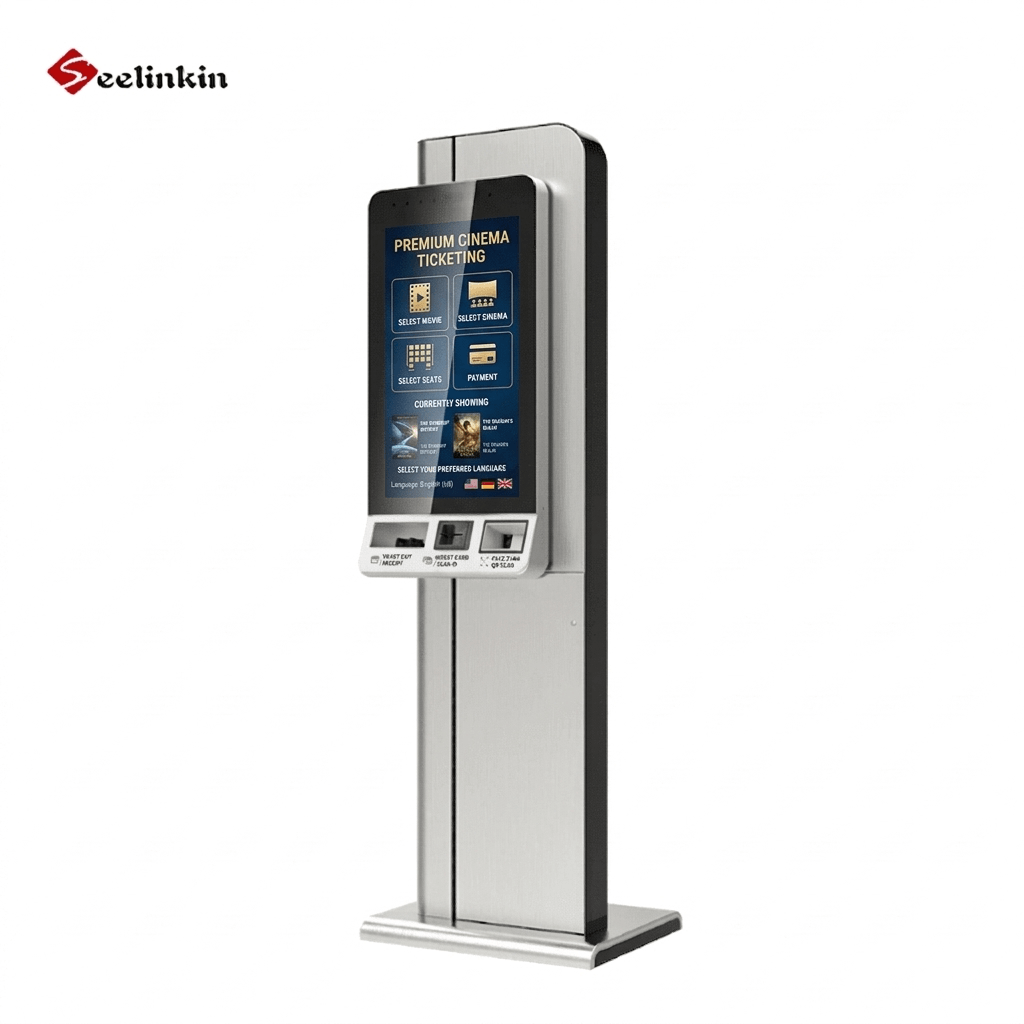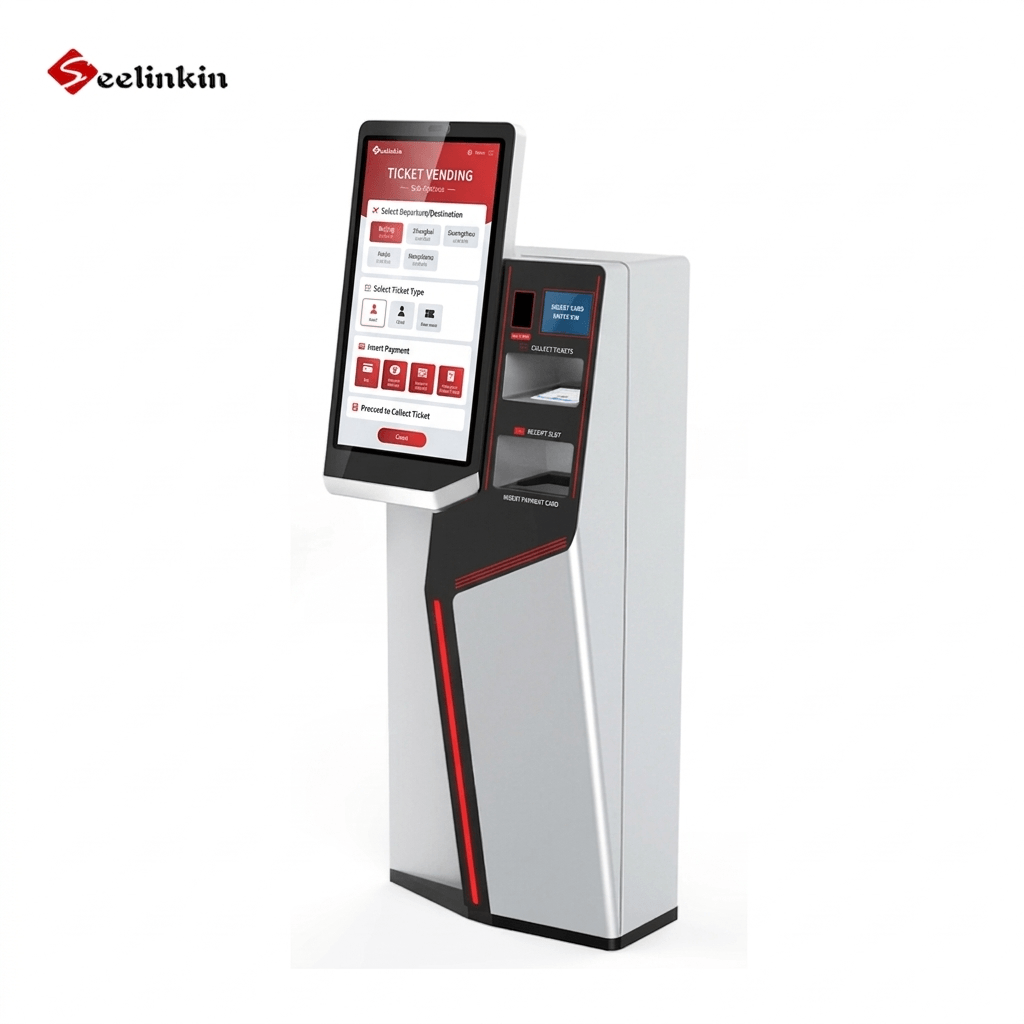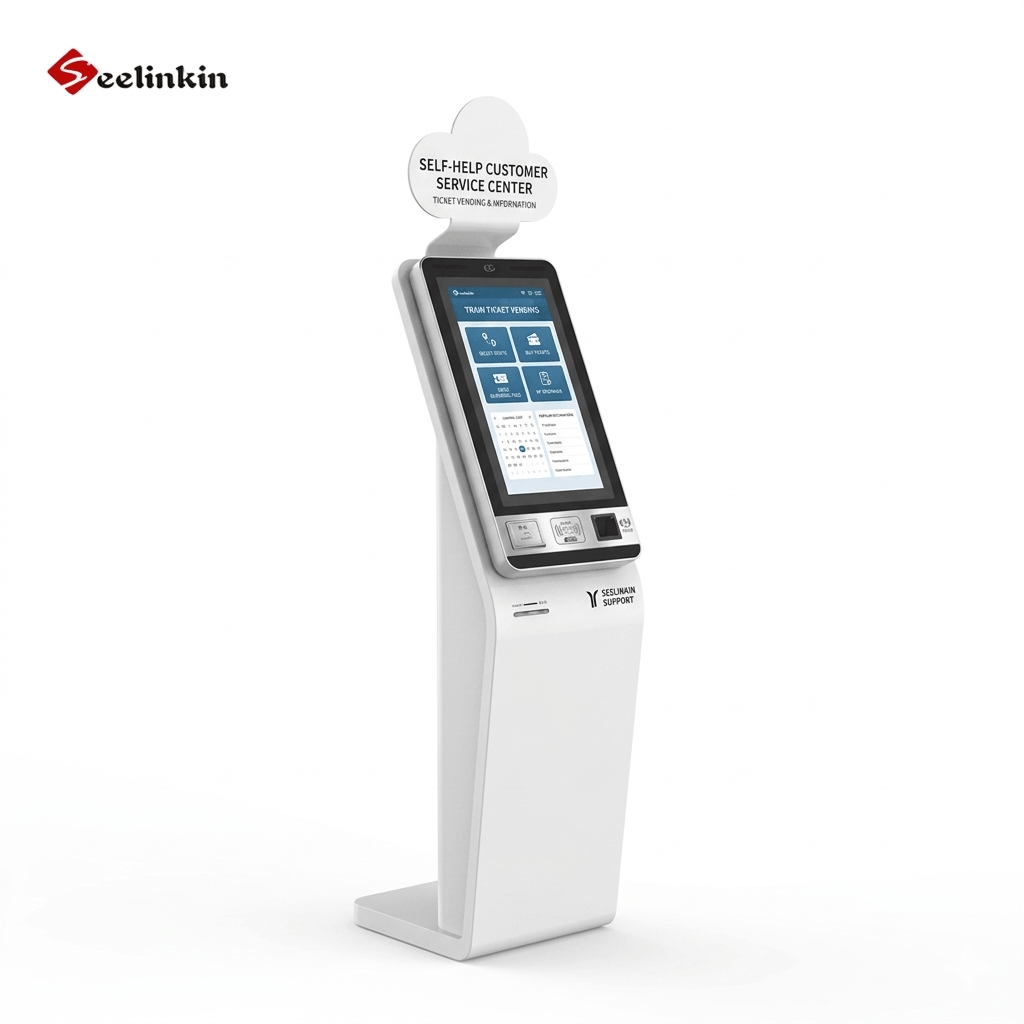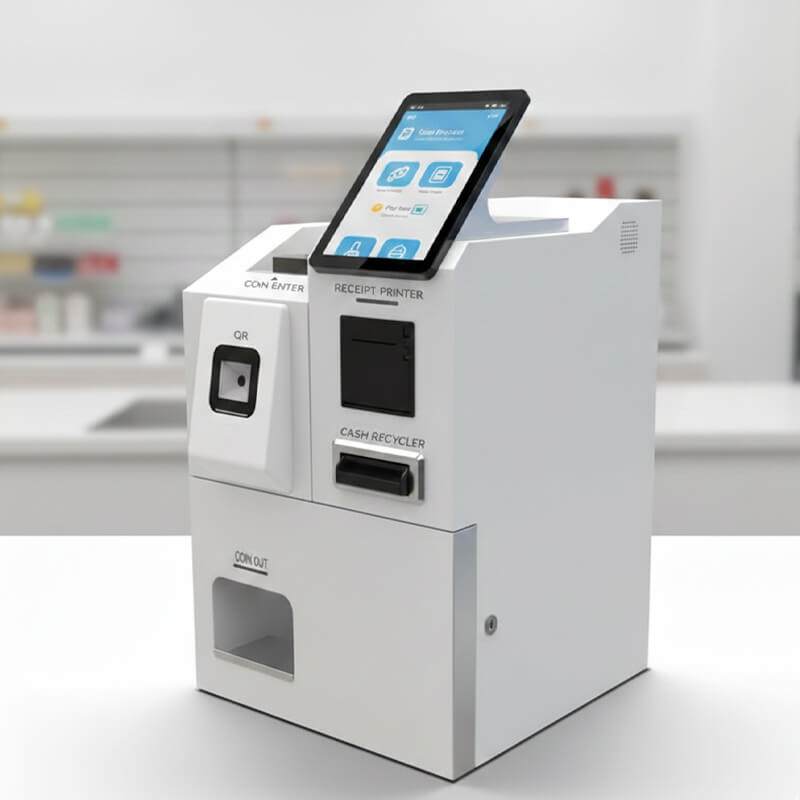
Pokémon Kiosks have quietly become one of the most beloved touchpoints in the franchise’s long history — and their popularity among fans worldwide continues to grow. A Pokémon Kiosk is an interactive retail or entertainment station that offers games, merchandise, and digital experiences centered on the Pokémon brand. It enhances fan engagement by blending convenience with immersive experiences. Whether encountered in a shopping mall, a convention hall, or inside a video game, the kiosk represents something simple but powerful: a reason to show up, connect, and be rewarded.
What Is a Pokémon Kiosk?
A Pokémon Kiosk is an interactive terminal found in real-world Pokémon Centers (mainly in Japan) and in Pokémon video games (like Sword and Shield). It serves as a hub for distributing special Pokémon, event rewards, and online features.
In physical stores, it allows fans to download Mystery Gifts, print custom merchandise, or check promotions. In games, it provides access to online battles, trading, and limited-time events.
Types of Pokémon Kiosks
Pokémon kiosks aren’t a single, uniform product. Over the years, they’ve appeared in several distinct forms, each serving a slightly different purpose within the broader fan ecosystem.
Retail Mystery Gift Kiosks The most iconic type, these were stationed inside major retailers like Toys”R”Us, GameStop, Walmart, and Target throughout the Nintendo DS and 3DS eras. Players would activate the Mystery Gift feature on their game, select “Get via Local Wireless” or “Get via Nintendo WFC,” and receive an event Pokémon or special item beamed directly from the kiosk. Legendary Pokémon like Darkrai, Shaymin, Arceus, and Victini were distributed this way — creatures that were otherwise completely unobtainable in the base games.
Demo and Playtest Kiosks Placed in the same retail environments but designed for product promotion, these kiosks housed loaner hardware pre-loaded with demo builds of upcoming games. Before Pokémon X and Y or Omega Ruby and Alpha Sapphire launched, for example, fans could walk up to a kiosk and play a short demo — often featuring a curated story segment or a teaser battle. These units were typically enclosed in branded plastic shells with prominent Pokémon artwork and were monitored by store associates.
Event and Convention Kiosks A step up in scale, these appeared at major fan gatherings like the Pokémon World Championships, Nintendo World Store events in New York City, and official Pokémon Center locations. They often distributed the rarest event Pokémon — creatures tied to specific movie releases or championship seasons — and were surrounded by the energy of a live fan community. The social dimension of these events turned a simple game distribution into a genuine shared memory.
Nintendo Zone Kiosks During the 3DS era, Nintendo deployed branded hotspot terminals called Nintendo Zone stations inside select retail partners, including Best Buy and McDonald’s locations in the United States. These wireless hubs could push SpotPass content and, in some cases, Pokémon-specific Mystery Gift data. They operated passively — a player only needed to walk within range of the signal with their 3DS in Sleep Mode to trigger a download — making them a quieter, ambient form of the kiosk experience.
Modern Digital Kiosks and Code Distributions As internet connectivity became universal, the physical kiosk evolved into a hybrid format. Retailers began distributing serial codes on printed cards at the point of sale, redeemable through the in-game Mystery Gift menu via an internet connection. While technically still a “kiosk” visit in the sense that fans had to visit a store to obtain the code, the experience lost some of its tactile, walk-up magic. More recently, online code distributions have largely replaced physical terminals — though The Pokémon Company has occasionally revived location-based events to recapture that sense of place and exclusivity.
In-Game Kiosks Beyond the physical world, Pokémon games themselves feature built-in kiosk-style terminals. In titles like Sword and Shield, players can access dedicated in-game stations to redeem Mystery Gift codes, check Battle Stadium rankings, join online competitions, and trade with trainers globally. These in-game kiosks mirror the function of their real-world counterparts — delivering exclusive content and connecting the player community — without requiring a trip to any store.
How Does a Pokémon Kiosk Work?
In Real-World Pokémon Centers
- Mystery Gift Downloads: Players can receive exclusive Pokémon or items via QR codes or internet connections.
- Custom Merchandise Printing: Some kiosks (like Pokémon Meister) let fans print stickers, cards, or posters featuring their favorite Pokémon.
- Event Information: Displays ongoing promotions, tournaments, and special distributions.
In Pokémon Video Games
- Mystery Gift: Players redeem codes or download free Pokémon/items (e.g., legendary Pokémon, rare berries).
- Battle Stadium: Check rankings, join online competitions, or battle other trainers worldwide.
- Pokémon Trading and Judging: Trade with friends or check a Pokémon’s IVs (Individual Values) for competitive play.
Why Do People Love Pokémon Kiosks?
Exclusive Rewards
Fans enjoy free legendary Pokémon, rare items, and event-only content, making gameplay more exciting.
Enhances Social and Competitive Play
The kiosk connects players globally through online battles, trades, and tournaments, fostering a strong community.
Interactive and Fun Experience
In physical stores, kiosks offer personalized merchandise, making visits to Pokémon Centers more memorable.
Pokémon Kiosk Features (Comparison Table)
| Feature | Real-World Kiosk | In-Game Kiosk |
|---|---|---|
| Mystery Gifts | ✅ Yes (QR/Internet) | ✅ Yes (Online) |
| Online Battles | ❌ No | ✅ Yes |
| Custom Merchandise | ✅ Yes (Printing) | ❌ No |
| Event Updates | ✅ Yes | ✅ Yes |
| Pokémon Trading | ❌ No | ✅ Yes |
Conclusion
FAQ
1. What is the point of the Pokémon vending machine?
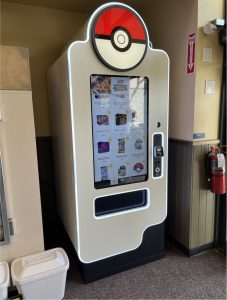
The point of a Pokémon vending machine is to provide fast, automated access to official Pokémon products in high-traffic retail locations. These machines are designed to improve convenience by allowing customers to purchase items like booster packs or small collectibles without needing staff assistance. They also help retailers streamline distribution and reduce in-store checkout congestion, especially for popular items from the Pokémon Trading Card Game ecosystem.
2. What do Pokémon kiosks sell?
Pokémon kiosks typically sell official Pokémon Trading Card Game products and select branded merchandise. Common items include booster packs, theme decks, elite trainer boxes (in some locations), and occasional collectible accessories. Product selection depends on the retailer and machine setup, but all items are generally part of the licensed Pokémon product line to ensure authenticity and consistency.
3. Do Pokémon kiosks accept cash or only card payments?
Most modern Pokémon kiosks support multiple payment methods, including credit cards, debit cards, and mobile payments. Some locations may be fully cashless for faster transactions.