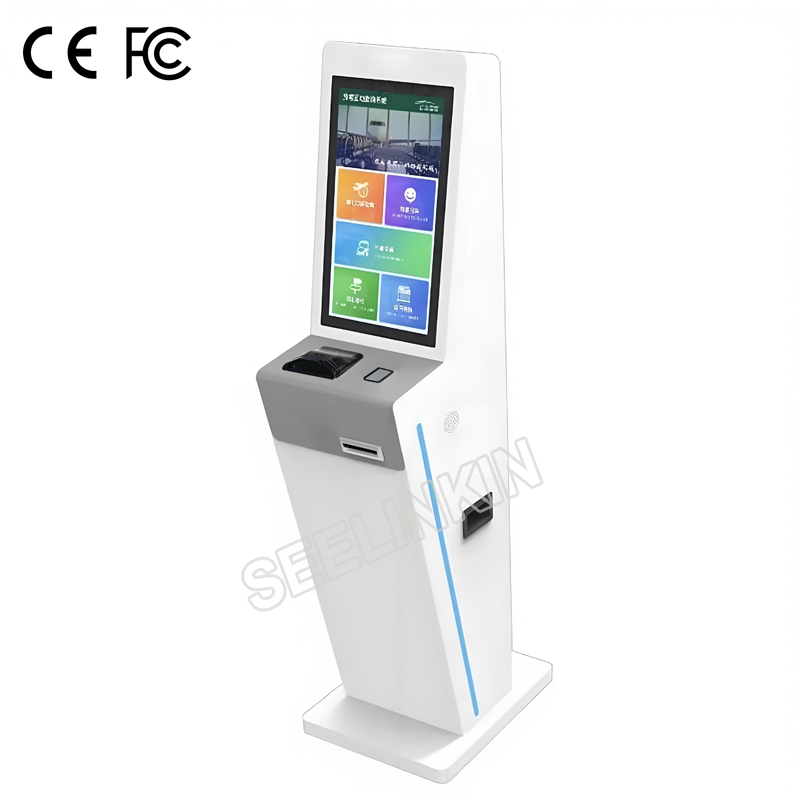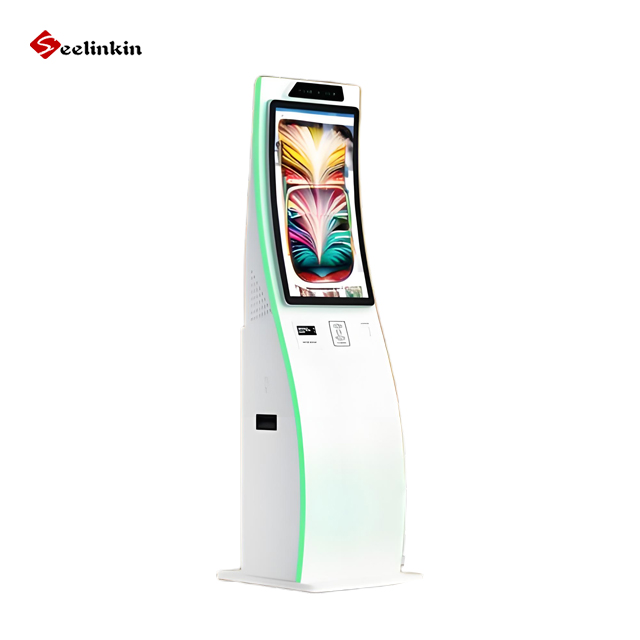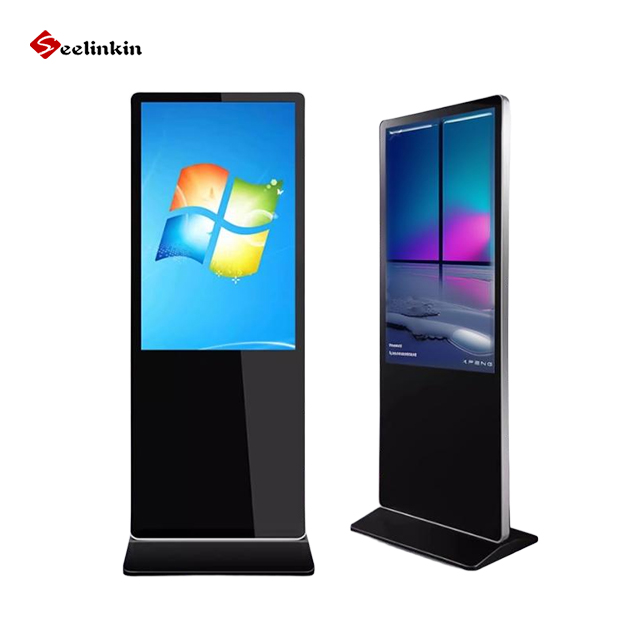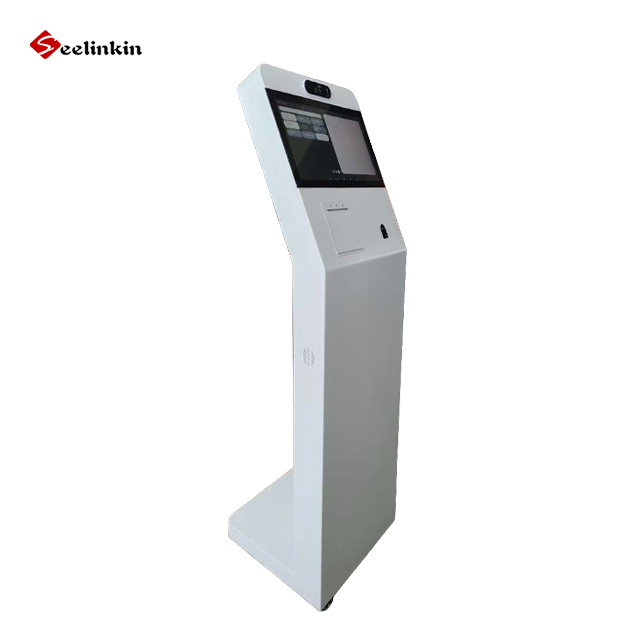
Choosing the right materials for outdoor kiosks can mean the difference between a structure that lasts decades and one that deteriorates within a season. Exposure to UV rays, moisture, extreme temperatures, and vandalism demands materials built to endure. This guide breaks down the most durable options available — from metals and composites to treated woods and high-grade plastics — helping you make an informed, cost-effective decision from the start.
Key factors for durable materials
Weather resistance
Outdoor kiosks face rain, sun, wind, and snow. Materials must withstand these elements to protect the displays inside. Stainless steel and aluminum resist rust, while powder coating and galvanization add extra layers of defense.
Maintenance and cleaning
Easy maintenance saves time and money. Smooth surfaces like fiberglass and powder-coated metals allow for quick cleaning. Kiosks with fewer seams and joints collect less dirt, making displays easier to maintain.
- Regular cleaning extends the life of both the kiosk and its displays.
- Choose materials that do not require special cleaners or frequent repairs.
Security and vandal protection
Kiosks in public spaces need strong materials to deter theft and vandalism. Thick metal panels and reinforced glass protect the displays from damage. Powder-coated finishes resist scratches and graffiti, making it easier to keep kiosks presentable.
Aesthetics and branding
The look of a kiosk matters for attracting attention and supporting brand identity. Durable materials come in many colors and finishes, allowing for custom designs. High-quality finishes, such as powder coating, help displays stand out and maintain their appearance over time.
Choosing the right combination of materials and finishes ensures durability and keeps displays safe and attractive in any environment.
Durable materials for outdoor kiosks
Stainless steel and powder coating
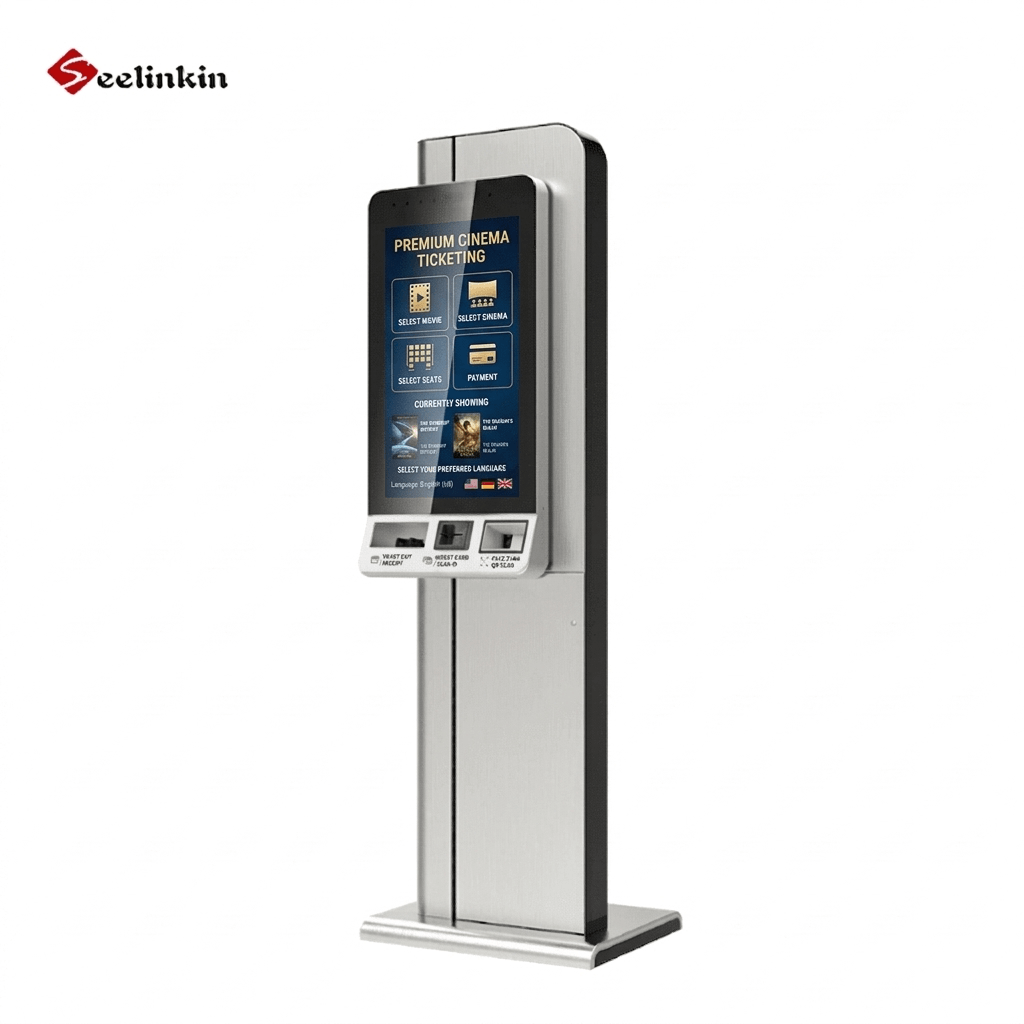
Stainless steel is a popular choice for outdoor kiosks. It resists rust and stands up to harsh weather. Powder coating adds a tough layer that protects the surface from scratches and fading.
This combination keeps displays safe from moisture and sunlight. Powder-coated stainless steel also makes cleaning easier. Many people choose this material for its long-lasting appearance and strength.
Aluminum and anodized finishes
Aluminum is lightweight and does not rust. It works well in areas with high humidity or salt in the air. Anodized finishes make aluminum even stronger by adding a protective layer.
This finish helps prevent scratches and keeps displays looking bright. Aluminum with an anodized finish needs little maintenance. It is a good option for kiosks that need to be moved or installed quickly.
Fiberglass and composite panels
Fiberglass is a strong material that does not rot or rust. It handles rain, snow, and sun without breaking down. Composite panels often combine fiberglass with other materials for extra strength.
These panels protect displays from water and impact. They are easy to clean and do not need special care. Fiberglass and composites are often used for custom shapes and designs.
Anticorrosive wood options
Some types of wood can last outdoors if treated properly. Anticorrosive wood resists insects, moisture, and decay. Special coatings or treatments help the wood stay strong and keep displays safe.
Wood gives kiosks a natural look that fits many outdoor spaces. Maintenance is important for wood, but modern treatments make it easier to care for. Anticorrosive wood is a good choice for those who want both style and durability.
Materials used for kiosks: pros and cons
Metal options
Metal is a common choice for outdoor kiosks. Stainless steel and aluminum offer strong protection against weather and vandalism. Powder coating increases durability and helps prevent scratches.
| Metal Type | Pros | Cons |
|---|---|---|
| Stainless Steel | Resists rust, easy to clean | Can be heavy, higher cost |
| Aluminum | Lightweight, does not rust | May dent, less strong |
Wood and composite choices
Wood gives kiosks a natural look. Anticorrosive wood resists insects and moisture. Composite panels combine materials for extra strength and easy maintenance.
- Wood needs regular care to prevent decay.
- Composites handle weather better and require less upkeep.
- Both options allow for custom shapes and designs.
Protective finishes
Finishes protect surfaces from damage and extend the life of kiosks. Powder coating adds color and shields metal from rust. Lexan graphics cover displays and resist scratches.
- Galvanization stops corrosion on steel.
- Anodized finishes strengthen aluminum.
- Protective finishes make cleaning easier and keep kiosks looking new.
Choosing materials for kiosks
Climate and location
Climate affects how materials perform outdoors. Areas with heavy rain or snow require materials that resist moisture and corrosion. Stainless steel and powder-coated finishes protect displays from harsh weather. In coastal regions, aluminum with anodized finishes prevents rust caused by salt in the air. Urban locations may need extra protection against pollution and vandalism. Always match the material to the local environment for the best results.
Intended use and traffic
The purpose of the kiosk determines which materials work best. High-traffic areas need surfaces that resist scratches and dents. Powder-coated metals and reinforced glass keep displays safe from frequent use. If the kiosk serves as an information point, easy-to-clean surfaces help maintain a professional look. For kiosks with interactive displays, choose materials that support regular cleaning and resist fingerprints.
- Consider how often people will touch or use the displays.
- Select materials that handle wear and tear without losing strength.
Budget and supplier evaluation
Budget plays a key role in material selection. Durable materials may cost more upfront but save money on repairs. Compare prices and ask about warranties for each option. Reliable suppliers provide clear information about installation and maintenance. Request samples to check quality before making a decision. Look for suppliers with experience in kiosk construction and outdoor displays.
| Evaluation Criteria | What to Ask Suppliers |
|---|---|
| Warranty | Length and coverage |
| Installation | Process and timeline |
| Maintenance | Cleaning and repairs |
Conclusion
Selecting the right durable materials for outdoor kiosks requires balancing weather resistance, security, maintenance, and budget. Metals like stainless steel and aluminum — enhanced with powder coating or anodized finishes — offer superior longevity, while fiberglass composites and treated wood provide versatile, cost-effective alternatives. Climate, traffic volume, and intended use should guide every material decision. Investing in quality materials upfront minimizes long-term repair costs and preserves both functionality and appearance — making material selection the foundation of any successful outdoor kiosk deployment.