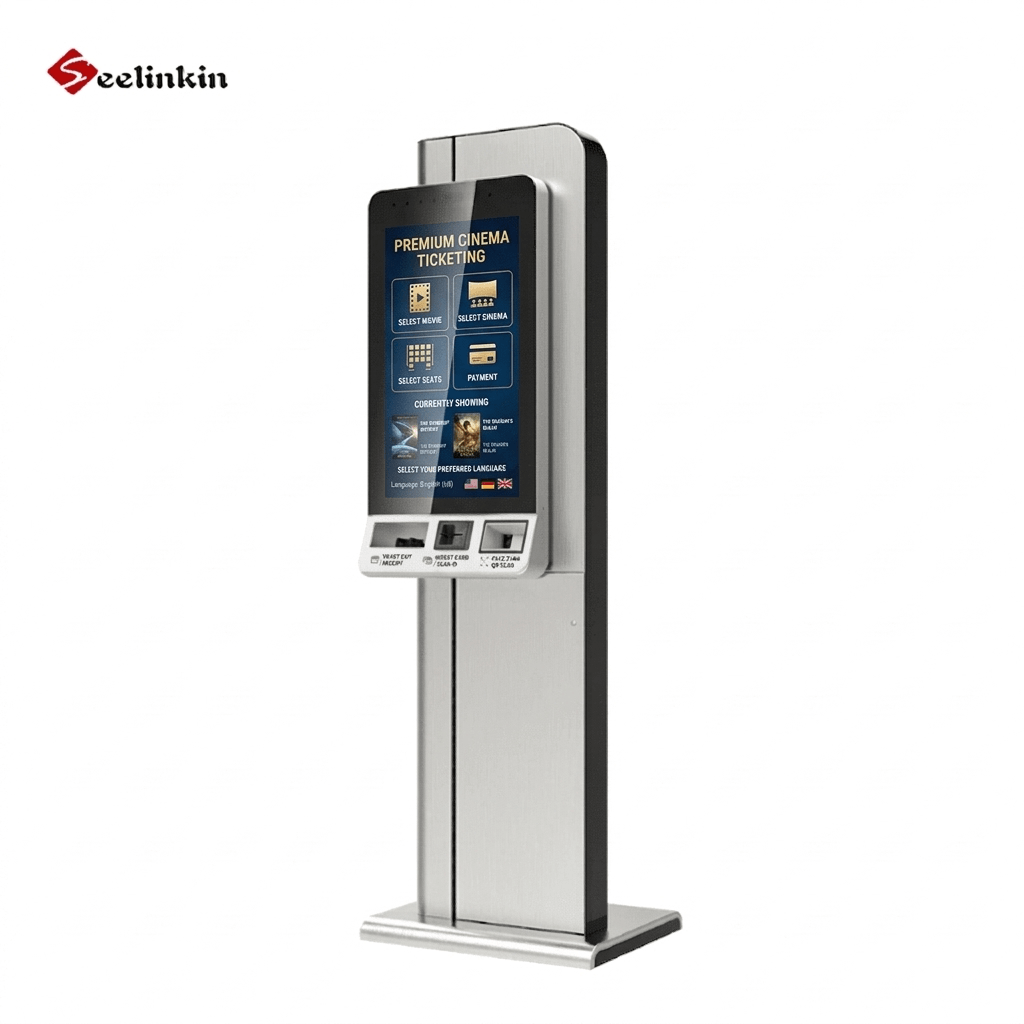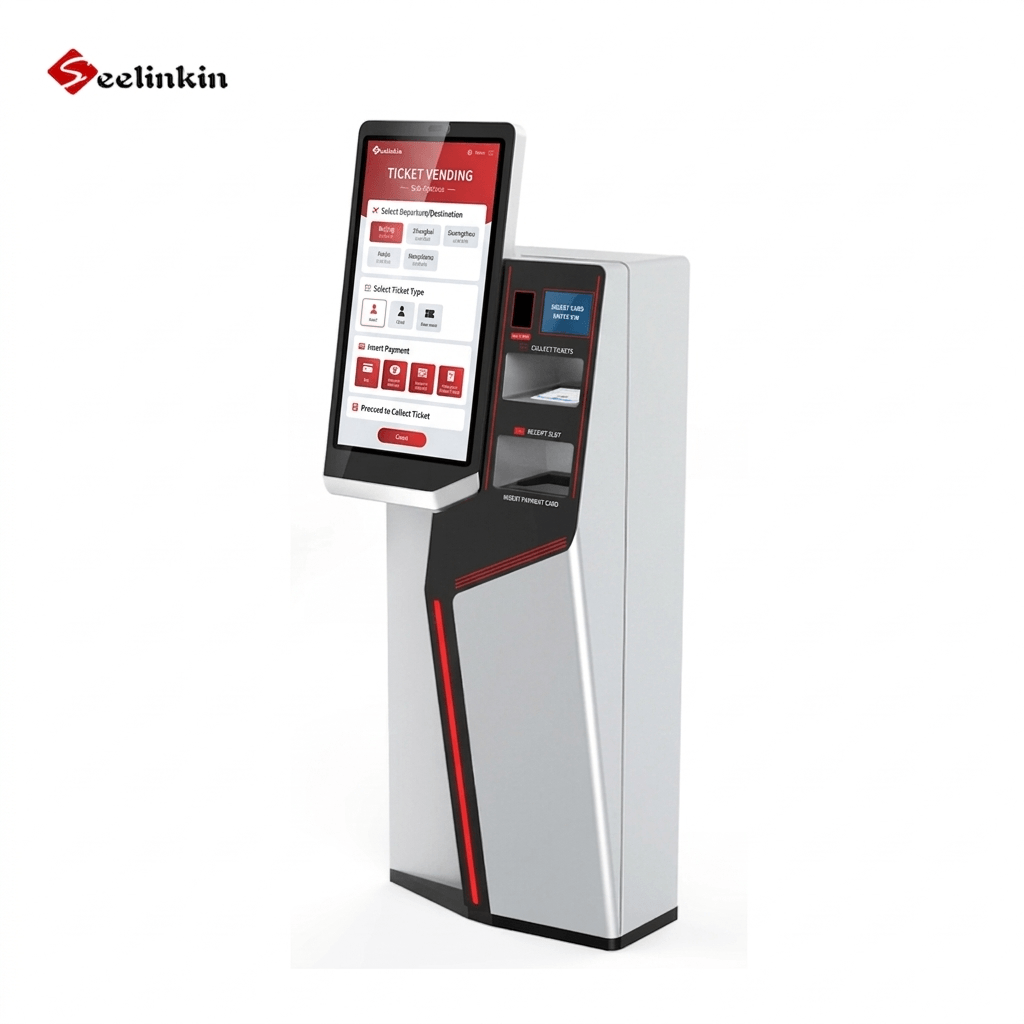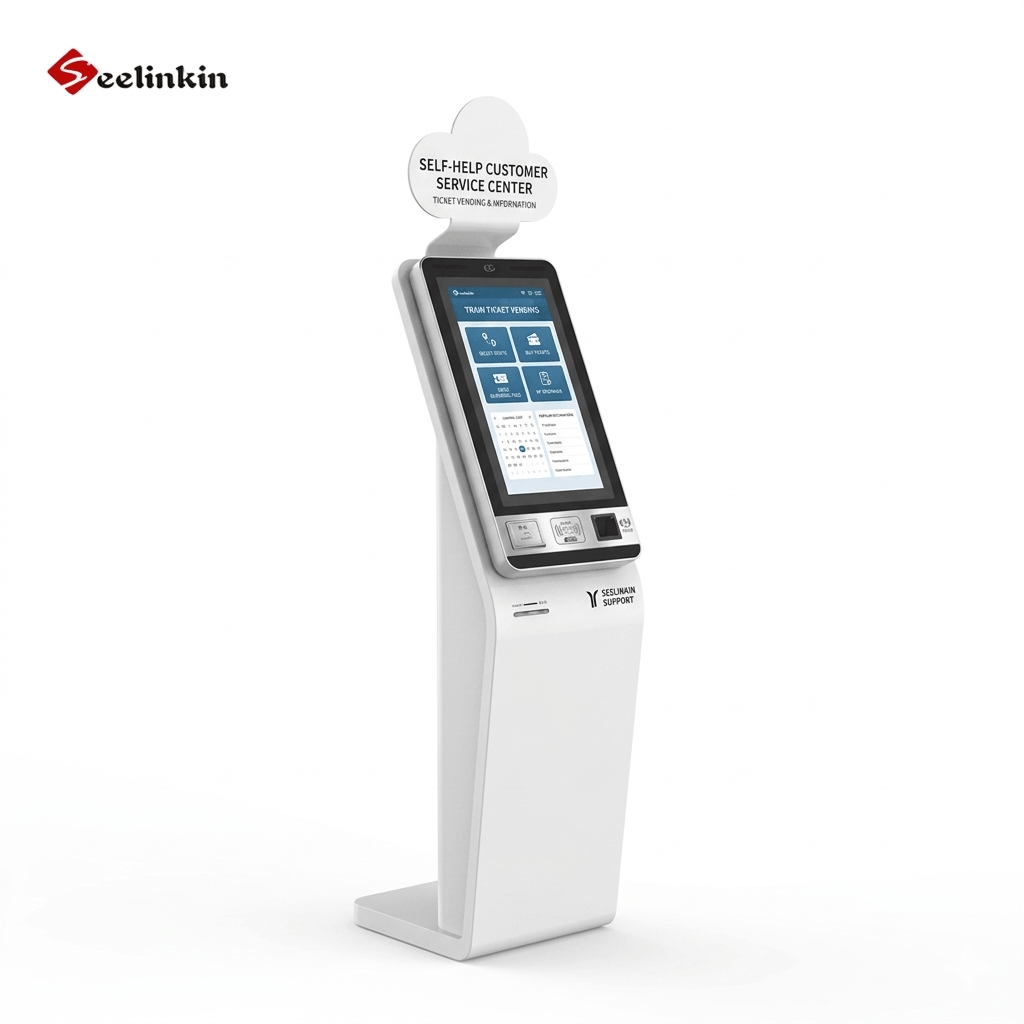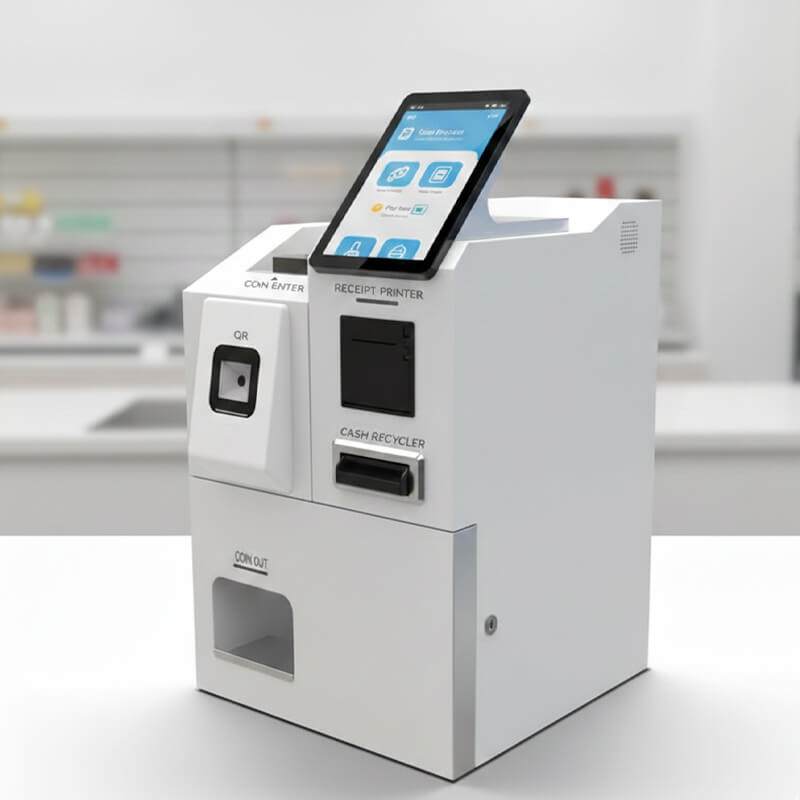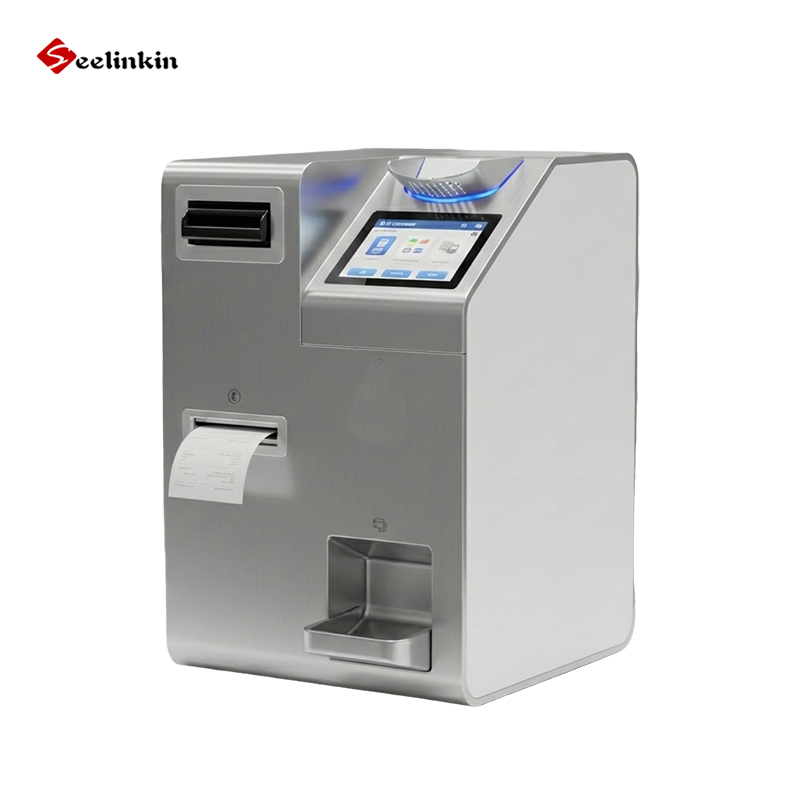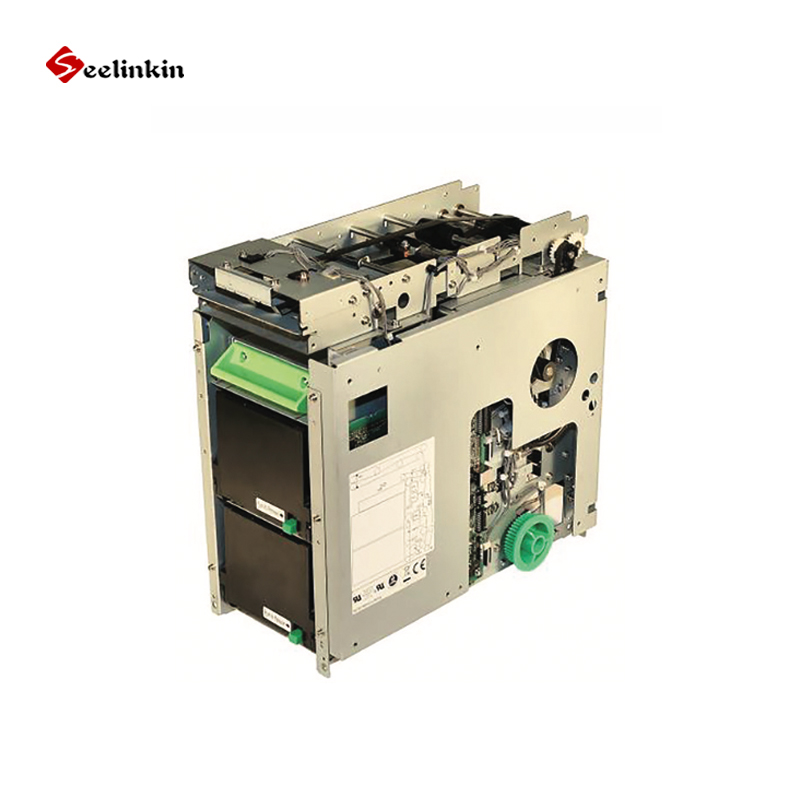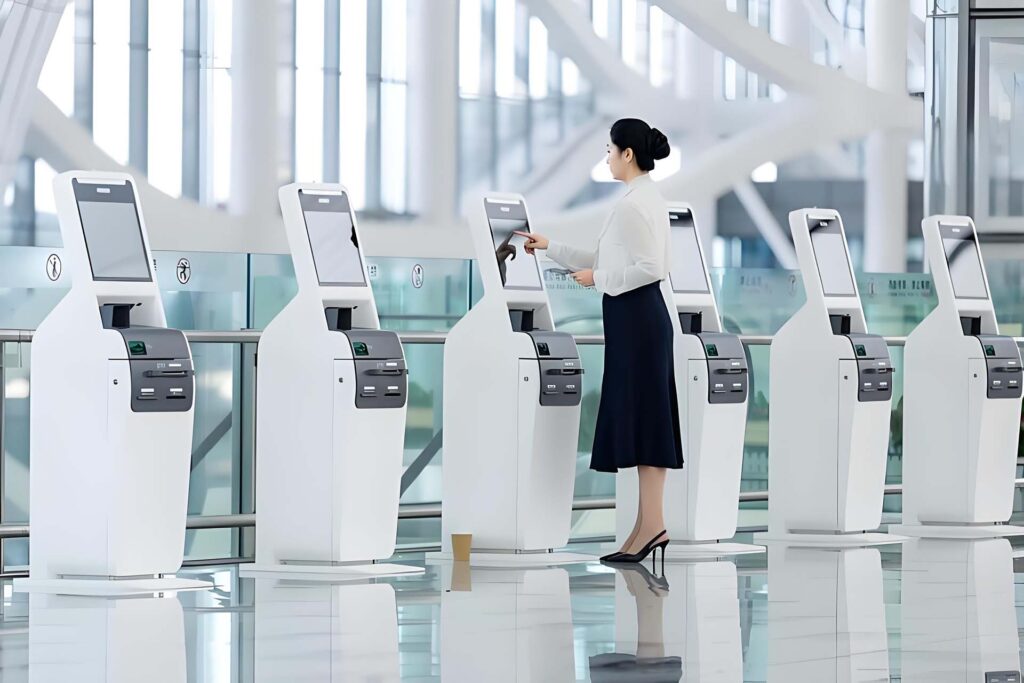
Understanding the touch screen kiosk market is essential for making informed business choices. This industry changes quickly as technology evolves and customer needs shift. Market research report data shows that key trends drive growth and shape competition in the touch screen kiosk market. Companies that follow the touch screen kiosk market can adjust their strategies and spot new opportunities. Smart leaders use insights from the touch screen kiosk market to guide decisions and stay ahead.

Touch Screen Kiosk Market Overview
Market Size and CAGR
The touch screen kiosk market continues to expand. In 2024, the market size reached several billion dollars in revenue. Analysts expect the kiosk market to achieve a compound annual growth rate (CAGR) of over 7% from 2024 to 2034. This growth reflects strong demand for touch screen kiosk solutions in many industries. The current market dynamics show that businesses want to improve customer service and efficiency. Data from recent studies highlights the steady increase in kiosk installations worldwide.
Product Type Segmentation
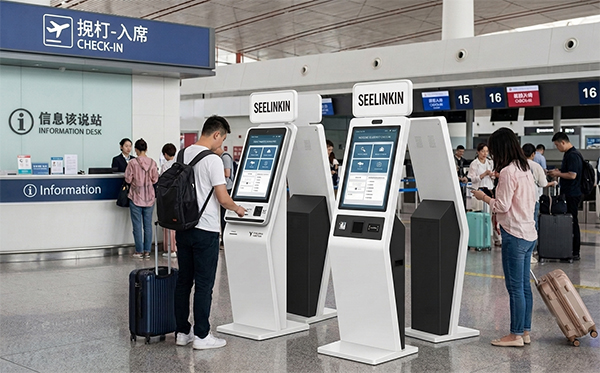
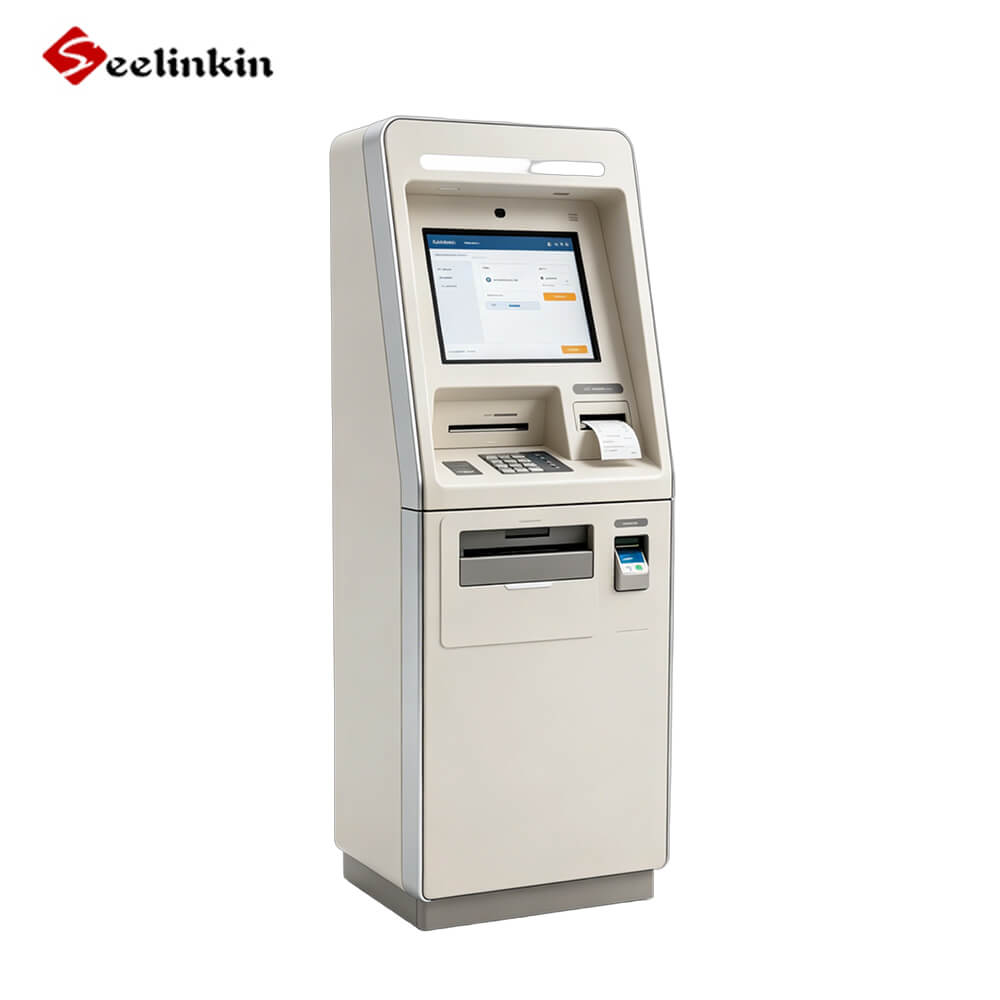
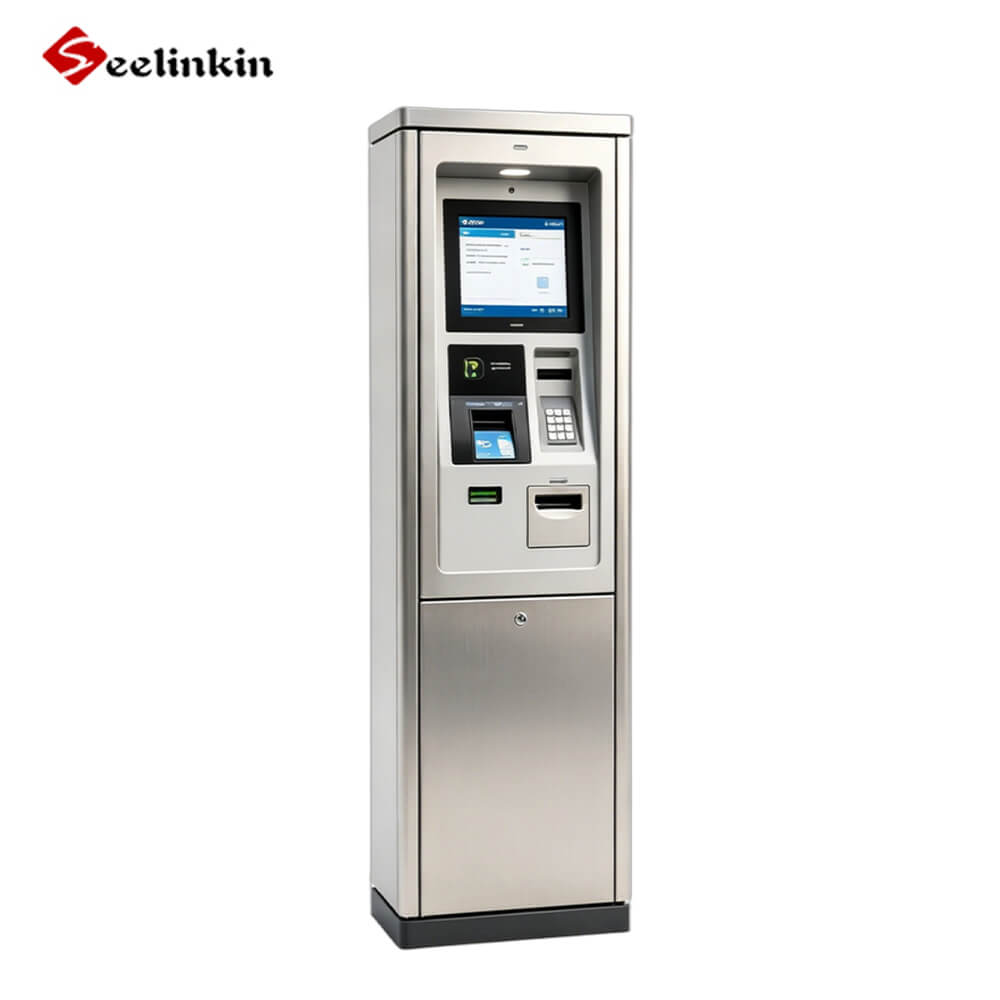
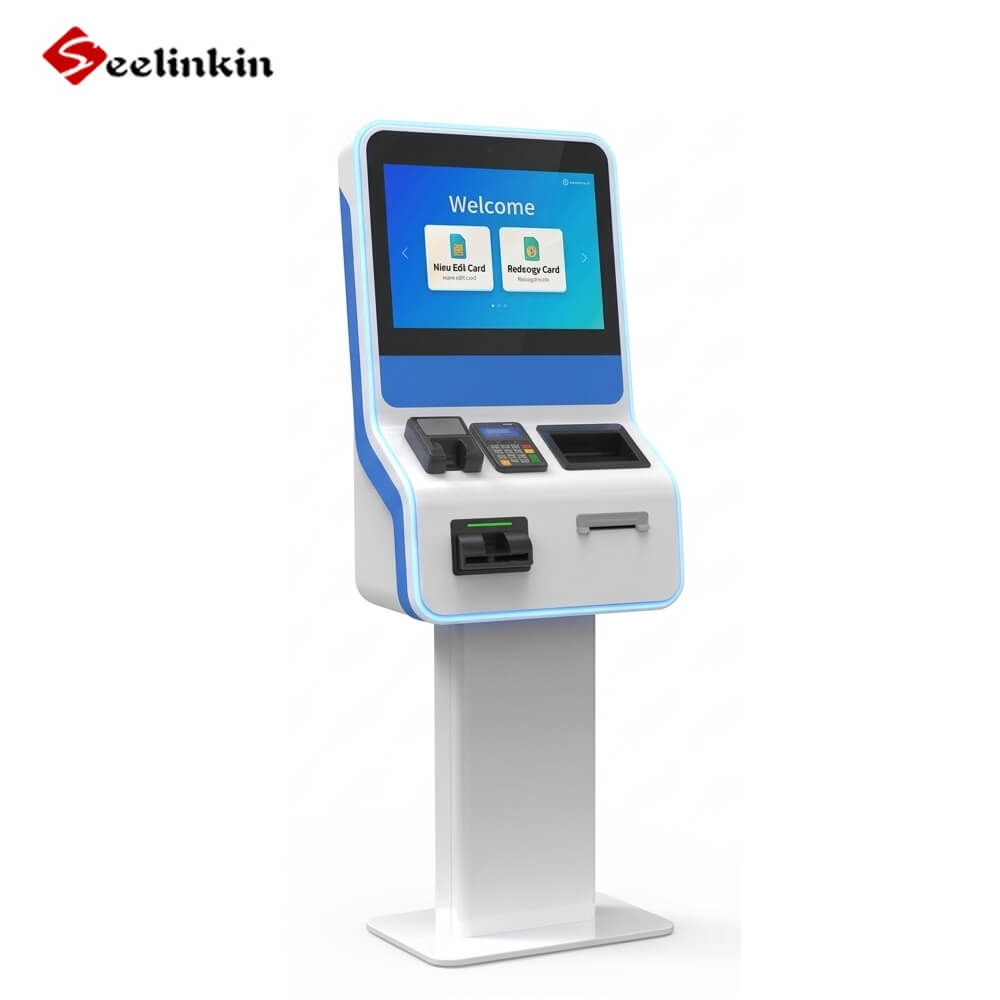
Touch screen kiosk products come in several types. The main categories include indoor kiosks, outdoor kiosks, wall-mounted kiosks, and freestanding kiosks. Each type serves different needs and environments. Indoor kiosks often appear in malls and airports. Outdoor kiosks are built to withstand weather and are common in transportation hubs. Wall-mounted kiosks save space, while freestanding kiosks offer flexibility in placement. The kiosk market sees high growth in both indoor and outdoor segments.
Application Segmentation
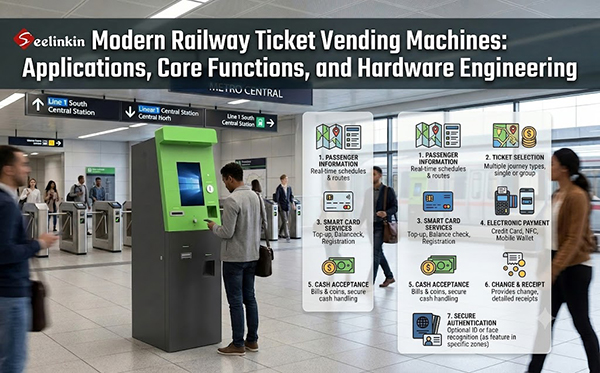
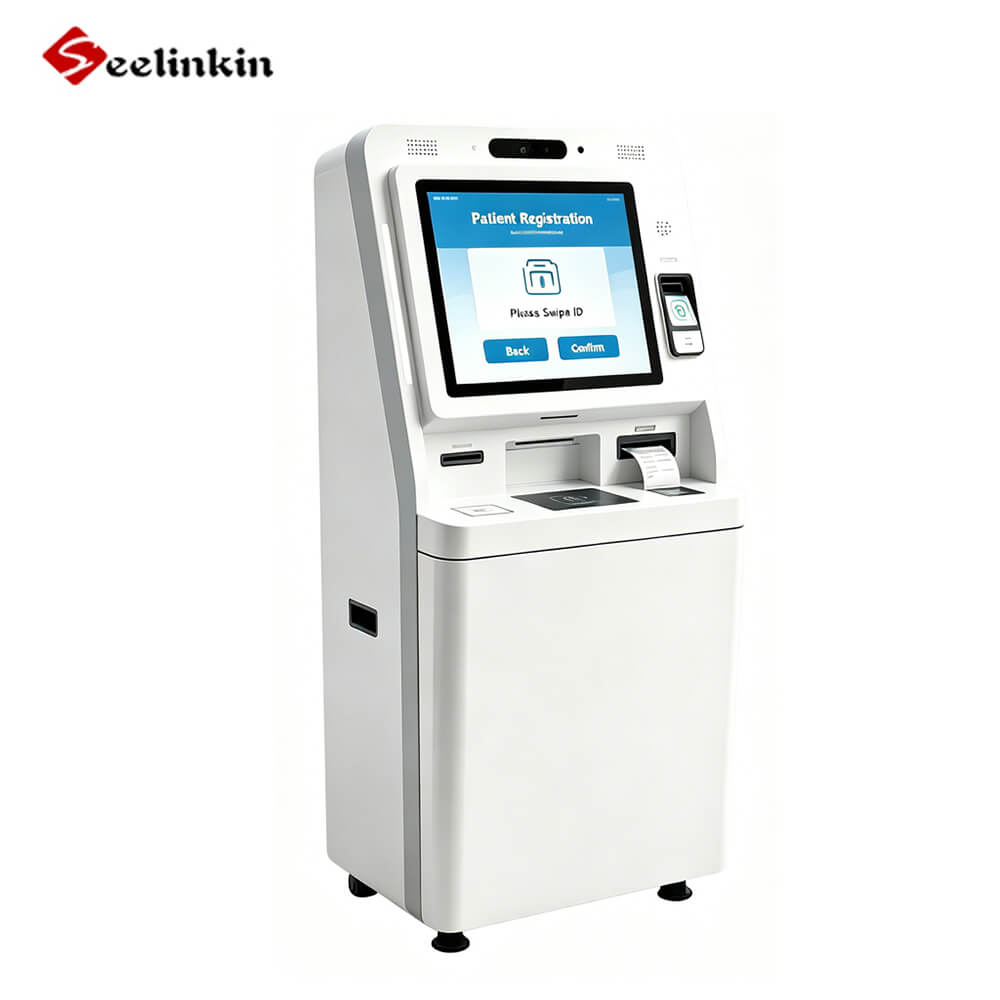
The touch screen kiosk market covers many applications. Key areas include retail, healthcare, banking, hospitality, transportation, and education. Retailers use kiosks for self-checkout and product information. Healthcare providers use kiosks for patient check-in and information sharing. Banks use kiosks for account management and cash transactions. Hotels use kiosks for check-in and guest services. Transportation hubs use kiosks for ticketing and schedules. Schools use kiosks for campus information. The kiosk market benefits from diverse applications, which drive overall growth.
End-User Segmentation
End-users of touch screen kiosk solutions include businesses, government agencies, and educational institutions. Businesses use kiosks to improve customer experience and reduce labor costs. Government agencies use kiosks for public information and service delivery. Schools and universities use kiosks to guide students and visitors. The kiosk market serves a wide range of end-users, which supports steady revenue growth. Revenue segmentation analysis shows that businesses remain the largest end-user group.
Regional Insights
The touch screen kiosk market has a global presence. North America leads in adoption due to advanced technology and high consumer expectations. Europe follows with strong growth in retail and transportation sectors. The Asia-Pacific region shows rapid expansion, driven by urbanization and digital transformation. Other regions also see increased kiosk installations as economies develop. Current market dynamics suggest that regional opportunities will continue to shape the future of the kiosk market.
Key Drivers in the Kiosk Market
Technological Advancements
Technology plays a major role in the growth of the kiosk market. New hardware and software make interactive kiosks faster and easier to use. Touch screens now respond quickly and show clear images. Many kiosks use advanced sensors and secure payment systems. These changes help businesses serve customers better. Technological innovation leads to more reliable and flexible self-service kiosks. As a result, technology stands out as one of the main growth drivers in this industry.
Self-Service Demand
People want quick and easy service. Self-service kiosks give customers control over their experience. Many shoppers prefer using kiosks for simple tasks like buying tickets or checking in. This demand for self-service options has increased since the pandemic. Businesses see that kiosks can reduce wait times and improve satisfaction. The need for fast service continues to push the growth of interactive kiosks. Self-service kiosks are now common in many places, such as airports and stores.
Digital Transformation
Digital transformation changes how companies operate. Many organizations use kiosks to support their digital strategies. Kiosks help collect data, share information, and connect with other systems. This transformation allows businesses to offer new services and reach more customers. The shift to digital tools became stronger after the pandemic. Companies invest in kiosks to stay competitive and meet new expectations. Digital transformation remains one of the top growth drivers for the kiosk market.
Market Challenges
Investment and Maintenance Costs
Touch screen kiosk solutions require significant investment. Companies must buy hardware, install software, and set up each kiosk. These costs can affect revenue, especially for small businesses. Maintenance also adds to expenses. Regular updates and repairs keep kiosks running smoothly. If a kiosk breaks down, it can lead to lost revenue and unhappy customers. Many businesses must plan for these costs to protect their revenue streams.
Security and Privacy
Security remains a top concern in the kiosk market. Kiosks often handle sensitive data, such as payment information and personal details. If a kiosk is not secure, hackers can steal data and cause revenue loss. Privacy laws require companies to protect user information. Businesses must use strong security tools to keep kiosks safe. Regular checks help prevent data breaches and protect revenue. Customers trust kiosks that keep their information private.
Security tips for kiosk operators:
-
- Use encrypted connections.
- Update software often.
- Train staff on privacy rules.
Integration Issues
Kiosks must work with other systems, such as payment networks and inventory tools. Sometimes, connecting a kiosk to these systems is hard. Integration problems can slow down service and reduce revenue. Businesses may need special software or extra support to solve these issues. If a kiosk does not connect well, it cannot deliver full value. Companies that fix integration problems can boost revenue and improve customer experience.
Industry Forecast and Trends
Growth Segments
The touch screen kiosk market is expected to see strong growth in several areas. Retail, hospitality, and healthcare will remain high-growth segments. These industries use interactive kiosks to improve customer service and increase revenue.
In retail, touch screen kiosk solutions help with self-checkout and product information. Hospitality businesses use kiosks for check-in, ordering, and guest services. Healthcare digitalization drives the adoption of kiosks for patient check-in and information sharing.
Data shows that the kiosk market will expand as more industries adopt self-service technology. The demand for interactive kiosks in transportation and education also supports future growth. Companies that focus on these high-growth segments can capture more revenue and strengthen their position in the industry.
AI and IoT Adoption
Artificial intelligence (AI) and the Internet of Things (IoT) are changing the touch screen kiosk market. AI helps kiosks understand customer needs and provide personalized experiences. IoT connects kiosks to other devices, making them smarter and more efficient.
Many industries use AI-powered kiosks to collect and analyze data. This data helps companies improve service and increase revenue. For example, hospitality businesses use AI to suggest services or products based on customer preferences.
IoT technology allows kiosks to monitor their own performance and report issues in real time. This reduces downtime and maintenance costs. The adoption of AI and IoT in the kiosk market will drive future growth and create new opportunities for interactive solutions.
Sustainability Initiatives
Sustainability is becoming important in the touch screen kiosk market. Many companies want to reduce their environmental impact. They use energy-efficient technology and recyclable materials in kiosk design.
The industry is moving toward green practices to meet customer expectations and government rules. Hospitality and retail businesses are leading the way by choosing kiosks that use less power and last longer. These changes help companies save money and protect the environment.
Sustainability initiatives also support long-term growth in the kiosk market. Companies that invest in eco-friendly kiosks can attract more customers and increase revenue. The focus on sustainability will continue to influence the industry in the coming years.
Regional Analysis of the Touch Screen Kiosk Market
North America
North America leads the touch screen kiosk market. Many businesses in this region use touch screen kiosk solutions to improve customer service. Airports, malls, and hospitals have adopted kiosks for self-service and information sharing.
The region benefits from advanced technology and high consumer expectations. Companies invest in new touch screen kiosk systems to stay competitive. The market in North America shows steady growth due to strong demand.
Europe Touch Screen Kiosk Market
The europe touch screen kiosk market is expanding quickly. Retailers and transportation hubs in europe use touch screen kiosk systems to streamline operations. Many cities in europe install kiosks for ticketing and public information.
Europe focuses on sustainability and energy-efficient kiosks. Businesses in europe choose kiosks that use less power and recyclable materials. The europe touch screen kiosk market benefits from strict regulations and customer preferences.
| Sector | Growth Focus |
|---|---|
| Retail | Self-checkout |
| Transportation | Ticketing |
| Hospitality | Guest services |
Europe continues to drive innovation in the touch screen kiosk market. Companies in europe adapt kiosks to meet changing needs. The region remains a key area for future growth.
Asia-Pacific
Asia-Pacific shows rapid growth in the touch screen kiosk market. Urbanization and digital transformation drive demand for kiosks. Many cities in Asia-Pacific use touch screen kiosk solutions for public services and retail.
Businesses in Asia-Pacific invest in kiosks to reach more customers. The region benefits from rising technology adoption and expanding economies. Touch screen kiosk installations increase as more industries embrace self-service.
Competitive Landscape in the Kiosk Market
Leading Brands
Many companies compete in the kiosk market. These companies focus on delivering reliable kiosk solutions for different industries. The kiosk market includes both established firms and new entrants, which creates strong competition.
Market Strategies
Companies in the kiosk market use several strategies to gain an advantage. Some focus on expanding their product range to meet changing customer needs. Others invest in partnerships and collaborations to reach more customers and enter new regions.
Innovation
Innovation drives growth in the kiosk market. Many companies develop new features, such as touchless technology and advanced user interfaces. These innovations help kiosks become more user-friendly and efficient.
A table below shows common areas of innovation in the kiosk market:
| Area of Innovation | Impact on Kiosk Market |
|---|---|
| Touchless Interaction | Improves hygiene and safety |
| Remote Management | Reduces maintenance costs |
| Customization Options | Meets unique business needs |
The kiosk market will continue to evolve as companies invest in new technology and design. Businesses that focus on innovation can stand out and attract more customers.
Business Strategies and Recommendations
Leveraging Market Insights
Companies in the kiosk industry can use market insights to guide their strategies. Data helps leaders understand where growth is happening. It also shows which segments bring the most revenue. Businesses can track trends to see what customers want. This information supports better planning and decision-making.
Investment Priorities
Smart investment choices help companies succeed in the kiosk market. Many businesses focus on technology upgrades to support growth. They also invest in training staff to use new systems. Maintenance and security improvements protect revenue. Companies should look for investment opportunities that match their goals and resources.
A table below shows common investment priorities in the industry:
| Priority | Benefit |
|---|---|
| Technology Upgrade | Supports growth |
| Staff Training | Improves service |
| Security Measures | Protects revenue |
Competitive Advantage
Gaining an edge in the kiosk industry requires clear strategies. Companies can offer unique features or better customer service. Fast response to market changes also helps. Innovation leads to growth and higher revenue. Businesses that adapt quickly can lead the industry.
Conclusion
The touch screen kiosk market continues to evolve through technological innovation, rising self-service demand, and digital transformation across multiple industries. Growth opportunities are driven by AI, IoT integration, and sustainability initiatives, while businesses must also address challenges such as security and system integration. Organizations that understand market trends and align investments with emerging opportunities will be better positioned to improve efficiency, enhance customer experiences, and achieve long-term competitive success.